







Search Results for: Vietnamese Phin
Vietnamese Drip Coffee Brewing Tutorial: How to Use a Phin Filter, Choosing Coffee Beans, and Making Iced Coffee with Condensed Milk
Vietnamese drip coffee, with its distinctive Phin filter and pairing with condensed milk, has become one of the most recognizable ways of drinking coffee in Southeast Asian coffee culture. This article begins with the historical origins, representative brands, and flavor characteristics of Vietnamese coffee, then systematically introduces the ingredients, steps, and timing control needed to make an authentic Vietnamese iced coffee, and explains the key points for choosing coffee beans suitable for a Vietnamese Phin—medium grind, freshly ground, and avoiding too many fine particles. The article also mentions related product recommendations from Front Street Coffee, making it a useful reference for coffee lovers who want to recreate the flavors of Vietnamese street coffee at home or in the office. [more…]
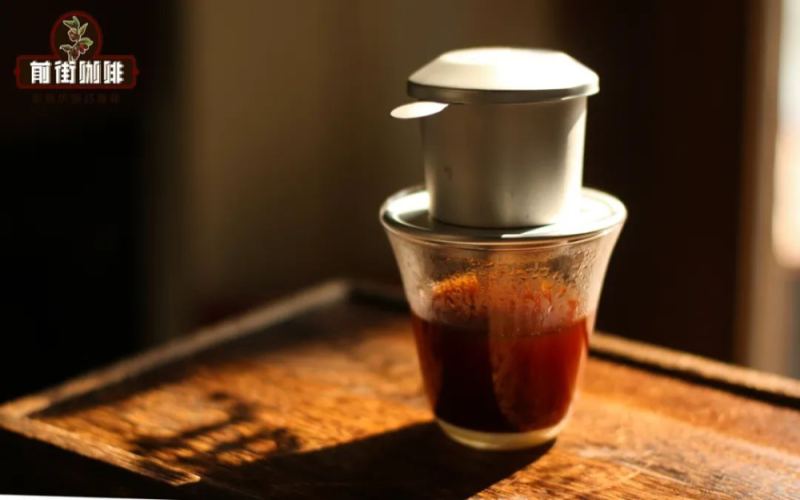
Vietnamese Drip Coffee Brewing Guide: How to Use a Phin and the Classic Pairing with Condensed Milk and Robusta
Vietnamese coffee is not simply about coffee beans grown in Vietnam; it represents a unique local beverage culture. After the French introduced coffee to Vietnam, it gradually became part of daily life. Vietnamese coffee is usually made from dark-roasted Robusta, paired with condensed milk to balance the intense bitterness, and extracted using a metal drip filter known as a "phin." Starting from Front Street's hands-on practice, this article explains in detail the structure of the phin, the key points of tamping, extraction parameters, and suggested condensed milk amounts, guiding you through the complete process of recreating an authentic cup of Vietnamese drip coffee, and sharing a layered tasting approach that goes from strong to sweet. [more…]
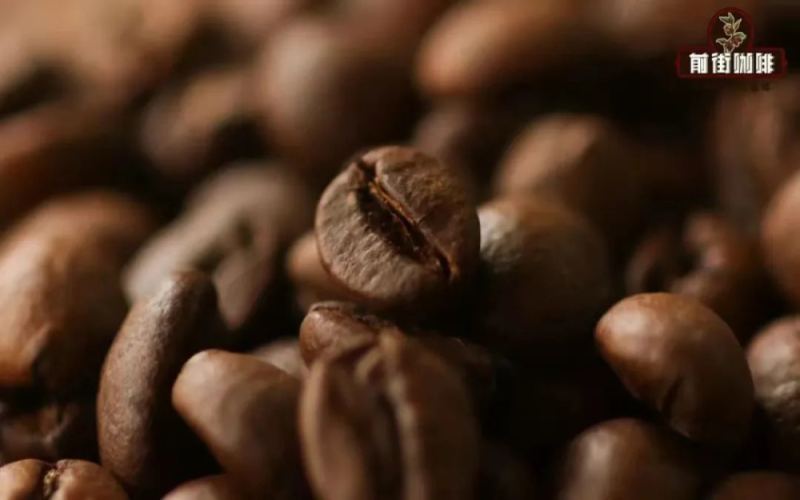
Analysis of Representative Coffee Bean Varieties in Vietnam: Robusta Flavor Characteristics and a Detailed Guide to Making Drip Coffee with Condensed Milk
Vietnamese coffee has long been a striking calling card of Southeast Asian food culture, and the core that sustains this distinctive flavor is none other than the Robusta bean, which accounts for over ninety percent of Vietnam's total coffee output. After the French introduced coffee to Vietnam, the locals combined the intense bitterness of dark-roasted Robusta with the sweetness of condensed milk, and with the help of the unique drip pot, created a cup of condensed milk coffee with unmistakable character. This article will guide you through the origin and status of Vietnamese Robusta, the structure and extraction principles of the drip pot, and, using Front Street Coffee's practical parameters as an example, present a complete demonstration of the process for making and enjoying a traditional cup of Vietnamese coffee. [more…]
Key Brewing Tips for Vietnamese Iced Coffee: Bean Selection, Phin Filter Operation, and Flavor Balance Techniques
Vietnamese iced coffee, with its silky texture and rich milky aroma, has become a favored refreshing drink in summer. Vietnamese people do not brew coffee with a coffee machine; instead, they use a dedicated metal drip filter, letting hot water pass through the coffee grounds bit by bit and drip slowly. To make an authentic Vietnamese iced coffee, the grind size of the coffee grounds, the amount of condensed milk, the tightness of the press, and the control of water temperature are all crucial. This article breaks down in detail every step from preparation to the completion of dripping, and provides reference standards for time and flow rate, helping you reliably recreate a fragrant, smooth Vietnamese iced coffee at home. [more…]

How to Use a Vietnamese Phin Filter? A Complete Practical Guide from Condensed Milk Coffee to Light-Roast Pour-Over
The Vietnamese drip filter has a simple structure and an affordable price, making it a practical choice for many coffee enthusiasts just starting out. After repeated testing with it, Front Street Coffee found that as long as you get the grind size, water temperature, and coffee-to-water ratio right, this device—which seems suited only to strong, bitter Robusta—can also brew light-roast beans with floral and fruity acidity into a tasty cup, and can even make a decent latte. This article starts with the device's structure and extraction principles, then moves on to specific parameters for black coffee and iced lattes, taking you step by step through mastering the Vietnamese filter. [more…]
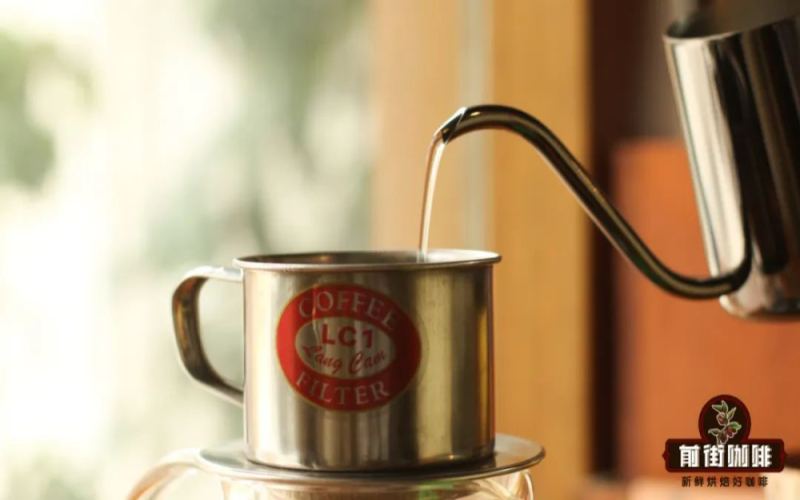
How to use a Vietnamese drip pot at home? Authentic drip coffee recipe and guide to choosing the right coffee beans
Every part of the world has its own distinctive coffee equipment; some, though not invented locally, have been perfected there. Ethiopia has the ceramic coffee pot, Turkey has the ceaselessly bubbling cezve, Italy has the moka pot, and Vietnam, with its "phin," has made drip coffee popular around the globe. This article will walk you through the structure and use of the Vietnamese phin, teach you step by step how to make an authentic cup of Vietnamese drip coffee at home, and answer the question of which coffee beans to use for drip coffee grounds. It will also include bean recommendations from Front Street Coffee to help you choose the right beans for your phin, so your brew comes closer to the flavors of a Vietnamese street stall. [more…]
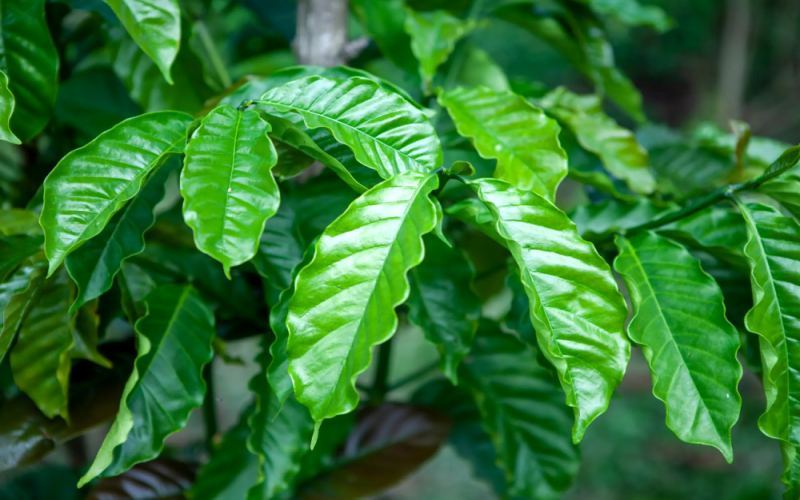
Robusta Coffee Grounds Drinking Guide: Understanding Robusta Bean Characteristics and Vietnamese Drip Brewing Practice
Robusta coffee beans are known for their intense bitterness and high caffeine content, and many people are at a loss when they get a bag of Robusta grounds. In fact, as long as you master the right blending approach or brewing method, Robusta can also present a pleasant side. This article will start with the botanical characteristics and flavor profile of the species, compare it with Arabica, introduce the pairing logic behind Front Street Coffee's Classic Blend and Commercial Blend, and finally demonstrate the Vietnamese phin filter process step by step, teaching you how to make a cup of Vietnamese coffee at home that is rich with roasted aroma and blends perfectly with condensed milk. [more…]

Analysis of the Vietnamese drip pot: Can it handle pour-over coffee brewing?
In coffee cultures around the world, almost every producing region has its own distinctive brewing device. The Vietnamese phin is one of the most representative examples—simple in structure and easy to use, it is an essential tool for making Vietnamese condensed milk coffee. This article begins with the phin's construction and historical origins, then explains its standard method of use in detail, and, drawing on Front Street Coffee's actual extraction parameters, explores an interesting question: can this drip brewing device be used for pour-over coffee? If you are interested in exploring the many ways to use brewing devices, why not follow along with Front Street and give it a try. [more…]
Vietnamese Coffee Bean Varieties Flavor Analysis and Mainstream Brand Characteristics Buying Guide
Vietnamese coffee is famous for its strong aroma, mild acidity, and full-bodied taste, and is traditionally often served with condensed milk. This article outlines the bean characteristics, the reasons behind the flavor, representative brands, and the differences among instant coffee products of Vietnamese coffee, while retaining relevant Front Street Coffee recommendations, to help coffee lovers gain a comprehensive understanding of the unique charm of Vietnamese coffee and how to choose it. [more…]
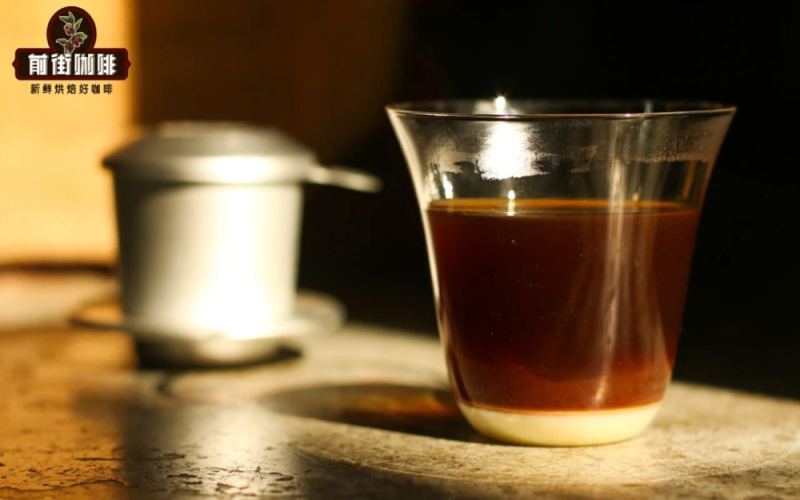
Where Does Vietnamese Coffee Flavor Come From? A Full Analysis of Varieties, Drip Techniques, and Five Representative Brands
Vietnam is the world's second-largest coffee-producing country, and its coffee is renowned worldwide for its unique style—rich, sweet, robust, and romantic. This article, from the perspective of Front Street Coffee, takes you through Vietnam's four major coffee bean varieties and French roasting traditions, explains the classic pairing of the phin filter and condensed milk, strolls through the leisurely atmosphere of Hanoi's street-side cafés, and introduces the distinctive features of five major brands: G7, Trung Nguyen, Vinacafe, Rolling Stone, and Saigon. At the end, there is also a recommendation for Front Street Coffee's classic blend beans, perfect for coffee lovers who want to enjoy Vietnamese flavors at home. [more…]

Front Street Coffee Complete Knowledge Collection: A Coffee Learning Guide and Practical Manual from Beginner to Advanced
The Front Street official account has insisted on daily updates for many years, accumulating a massive amount of educational content covering every area of coffee. From the origins of coffee beans to the birth of a finished cup of coffee, from basic terminology to advanced brewing techniques, the articles have touched on virtually every question a coffee lover might encounter. This article reorganizes that content along a learning path, dividing it into sections such as must-reads for beginners, tasting methods, brewing techniques, advanced improvement, and Front Street's random musings on industry topics, making it easy for readers to quickly locate the knowledge they need based on their own stage, and also convenient for systematically filling in gaps. Whether you are a novice just getting into coffee or an advanced player hoping to hone your skills, you can find corresponding content here. [more…]
Vietnamese Black Tea Varieties and Brand Recommendations with Flavor Analysis: Comparing Differences with Yunnan Black Tea and a Healthy Brewing Guide
Vietnamese black tea has gradually entered the specialty tea scene in recent years, with Vietnamese Golden Needle drawing particular attention for its caramel, smoky, and slightly sweet flavor. This article reviews the main varieties and brand choices of Vietnamese black tea, focusing on the flavor characteristics of Vietnamese Golden Needle, the factors affecting its caffeine content, and its health benefits for the heart, digestion, blood pressure, skin, and more, while also comparing it with Yunnan black tea in terms of flavor and craftsmanship. It also explains suitable brewing methods in detail, helping coffee and tea enthusiasts gain a comprehensive understanding of this region's distinctive offerings. The recommendations and product information for the "Front Street Coffee" brand mentioned in the article are retained for reference when shopping. [more…]
An Overview of Vietnamese Coffee Flavor Characteristics and Mainstream Brands, with a Guide to Recommended Vietnamese Coffee Beans
Vietnam is the world's second-largest coffee producer, and its coffee culture blends French romance with local charm, forming a unique drip brewing method and rich flavor. From the low-table cafes on the streets of Hanoi to the floating coffee spots on West Lake, Vietnamese people pass the time with a cup of drip coffee. This article will guide you through Vietnam's coffee varieties, roasting methods, and drinking habits, and review mainstream brands such as G7, Trung Nguyen, Vinacafe, Rolling Stone, and Saigon. Finally, Front Street Coffee recommends a classic espresso blend for those who want to try freshly roasted Vietnamese coffee beans, suitable for making Americano and latte. [more…]
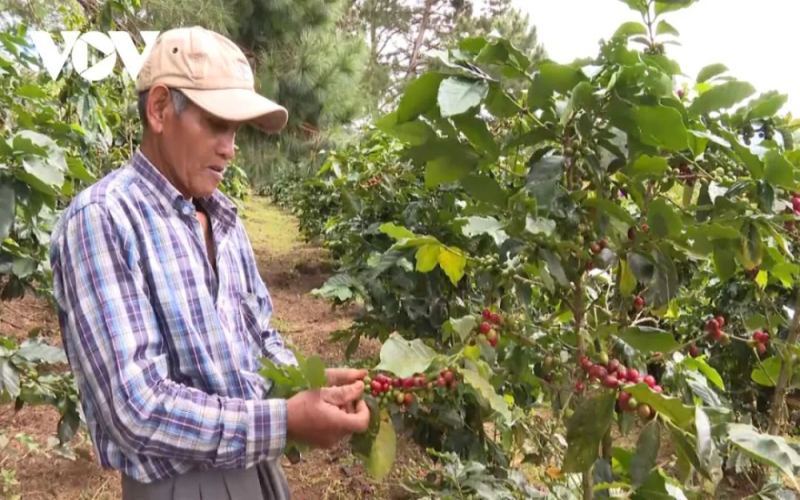
Vietnamese coffee prices continue to climb, and the Red Sea shipping crisis may further intensify it.
Coffee prices within Vietnam have once again climbed. In the Central Highlands, the largest producing region, purchase prices have generally risen by 1,300 to 1,400 Vietnamese dong per kilogram, and the price of coffee beans in bulk has risen to a range of 92,400 to 93,200 Vietnamese dong per kilogram. On the international market, Robusta futures for delivery in May 2024 rose to 3,450 US dollars per ton, while Arabica fell back to 182.95 US cents per pound. At the same time, armed attacks in the Red Sea and the Bab el-Mandeb Strait continue to escalate, with the Houthi armed group threatening to expand the scope of attacks to the Indian Ocean, and global shipping is facing a new round of pressure. Vietnamese coffee exporters, meanwhile, have high hopes for the Italian market, where Robusta occupies a dominant position. [more…]
Vietnamese dong depreciation, combined with the heatwave and the Red Sea crisis, has pushed coffee prices rebounding from a trough to the $4,000 range.
In late April, Robusta coffee futures surged to a historic high of US$4,339 per tonne, dragging Arabica futures up along with them. Entering May, Brazil and Vietnam successively released their April export reports, showing growth in both production and export volumes. ICE coffee inventories briefly eased market anxiety, and the enthusiasm for chasing futures buys cooled somewhat. However, after tropical agricultural products fell by nearly 14% overall, purchase prices in Vietnam's central growing regions quickly rebounded to 96 million to 100 million Vietnamese dong per tonne after dropping to 90 million dong per tonne. The interplay of multiple factors—drought, competition from crops such as durian, the continued depreciation of the Vietnamese dong, and rising freight rates on the Red Sea route—makes a rebound in coffee bean prices a highly probable event. Front Street Coffee will continue to monitor the deeper logic behind this round of volatility. [more…]
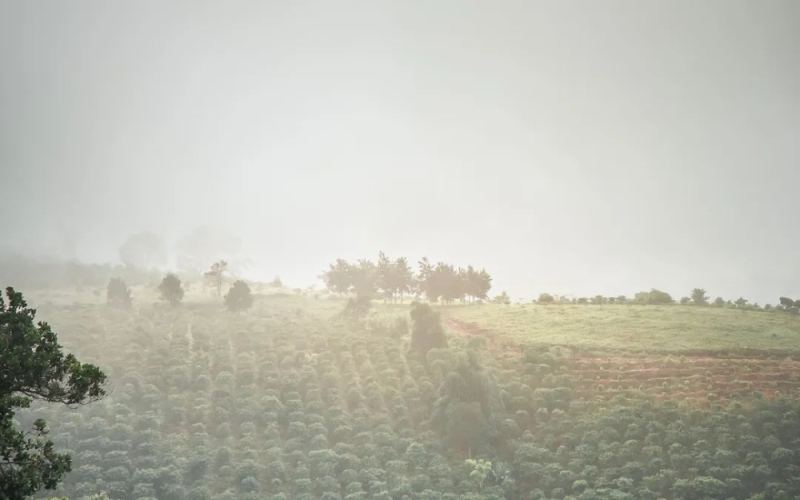
Domestic coffee prices in Vietnam climb to new peaks, while international Robusta and Arabica markets continue to decline
Vietnam's domestic coffee market has recently seen a rare turn of events: even as international futures prices broadly decline, domestic purchasing prices have risen against the trend, with the highest price in the Central Highlands provinces reaching 82,300 Vietnamese dong per kilogram, setting a new all-time record. At the same time, Germany's share of imports of Vietnamese coffee has risen rather than fallen, showing that Europe's reliance on Vietnamese robusta continues to deepen. However, expected production cuts caused by climate change and some coffee farmers switching to durian cultivation are planting more uncertainty on the supply side for the future. This article combines the latest exchange data and producing-region quotes to trace the ins and outs of this round of price fluctuations. [more…]
Vietnamese Robusta Coffee Prices Soar but Hidden Concerns Lurk, New Crop Supply May Reverse the Market
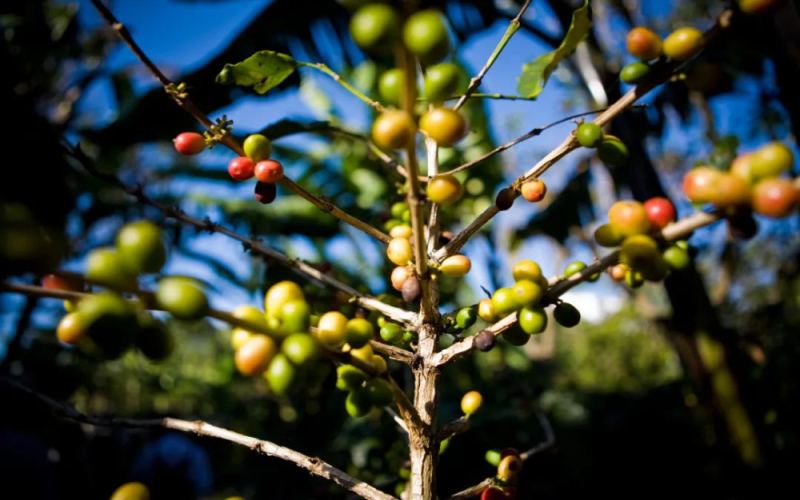
Vietnamese Robusta coffee prices have repeatedly hit new highs recently, with spot prices surging 49% compared to the same period last year and accumulating a 30% gain so far this year. Declining production, robust demand, and strong exports have combined to drive the market higher, but industry insiders are not optimistic about future trends. With Brazil and Indonesia's new harvest seasons approaching, supply is expected to improve and prices may fall back. Meanwhile, the Red Sea crisis continues to spill over, and rising shipping costs are adding uncertainty to the coffee trade. This article will review the latest developments and potential risks in the Vietnamese coffee market. [more…]
Vietnamese G7 Instant Coffee Full Analysis: Detailed Explanation of Types, Flavor Characteristics, and Quality Positioning
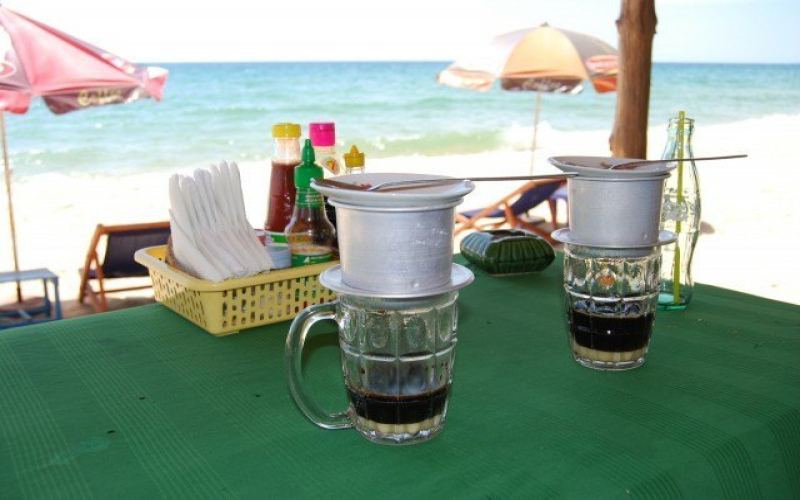
G7 Coffee is a highly representative instant coffee brand from Vietnam, made from robusta beans, convenient to brew, and notably effective at keeping you alert. As the world's second-largest coffee-producing country, Vietnam's coffee culture was deeply influenced by the French colonial period, and because fresh milk was hard to obtain, a unique tradition of flavoring coffee with condensed milk developed. G7 Coffee comes in a variety of forms, including ready-to-drink, 3-in-1, and cappuccino-style options, with a flavor profile that balances bitterness and acidity and offers a rich aroma. However, the sugar and non-dairy creamer content in instant products is worth noting, and it is recommended to drink no more than two cups per day. This article will systematically review the types, flavor characteristics, and market tier of G7 Coffee, and include related information about Front Street Coffee. [more…]
Vietnamese Robusta Coffee Hit by Production Crisis, Purchase Price Breaks the 100 Million Vietnamese Dong Mark
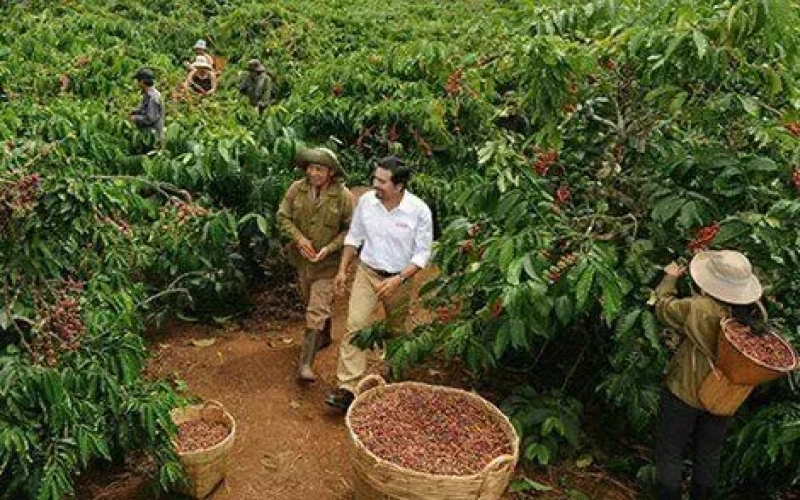
Vietnam, the world's largest robusta coffee-producing country, is facing severe challenges—drought and scant rainfall, farmers switching to fruit crops, and the lingering effects of El Niño. The combination of these multiple factors is expected to cause coffee output to fall by 20%. At the same time, Vietnam's domestic coffee purchase price has soared to 103 million to 107 million Vietnamese dong per ton, and London futures prices have risen by more than 50% within a year. This wave of reduced production not only affects Vietnam's local economy, but will also tighten the global coffee supply landscape. This article examines the climate, economic, and geopolitical factors behind Vietnam's coffee production decline, and also looks at China's role in this shifting situation. (Front Street Coffee continues to follow developments in global coffee-producing regions.) [more…]
Vietnamese Robusta Coffee Prices Climb Amid Trader Struggles: Red Sea Crisis and Farmers Holding Back Sales Impact the Market
A recent report from the Vietnam Coffee and Cocoa Association shows that robusta coffee prices continue to climb, with an expected price of 72 million to 73 million Vietnamese dong per ton, an increase from earlier levels. Global inventories are low, with robusta stocks at less than 30,000 tons, and arabica also at low levels, stemming from reduced production in many countries that has led to declining exports. The Red Sea situation has disrupted shipping, pushing freight rates higher, and some buyers have turned to Brazil for purchases. At the same time, Vietnamese farmers are holding back sales and waiting, making it difficult for traders to fulfill contracts; Dak Nong Province agent Mai Cau has already declared bankruptcy, involving nearly one million dollars in undelivered goods. This article will provide an in-depth analysis of market dynamics, export data and future expectations to help coffee lovers keep pace with market changes. [more…]